
The Future of Streetwear Is One of One: Why Mass Production Is Losing and Handmade Is Winning
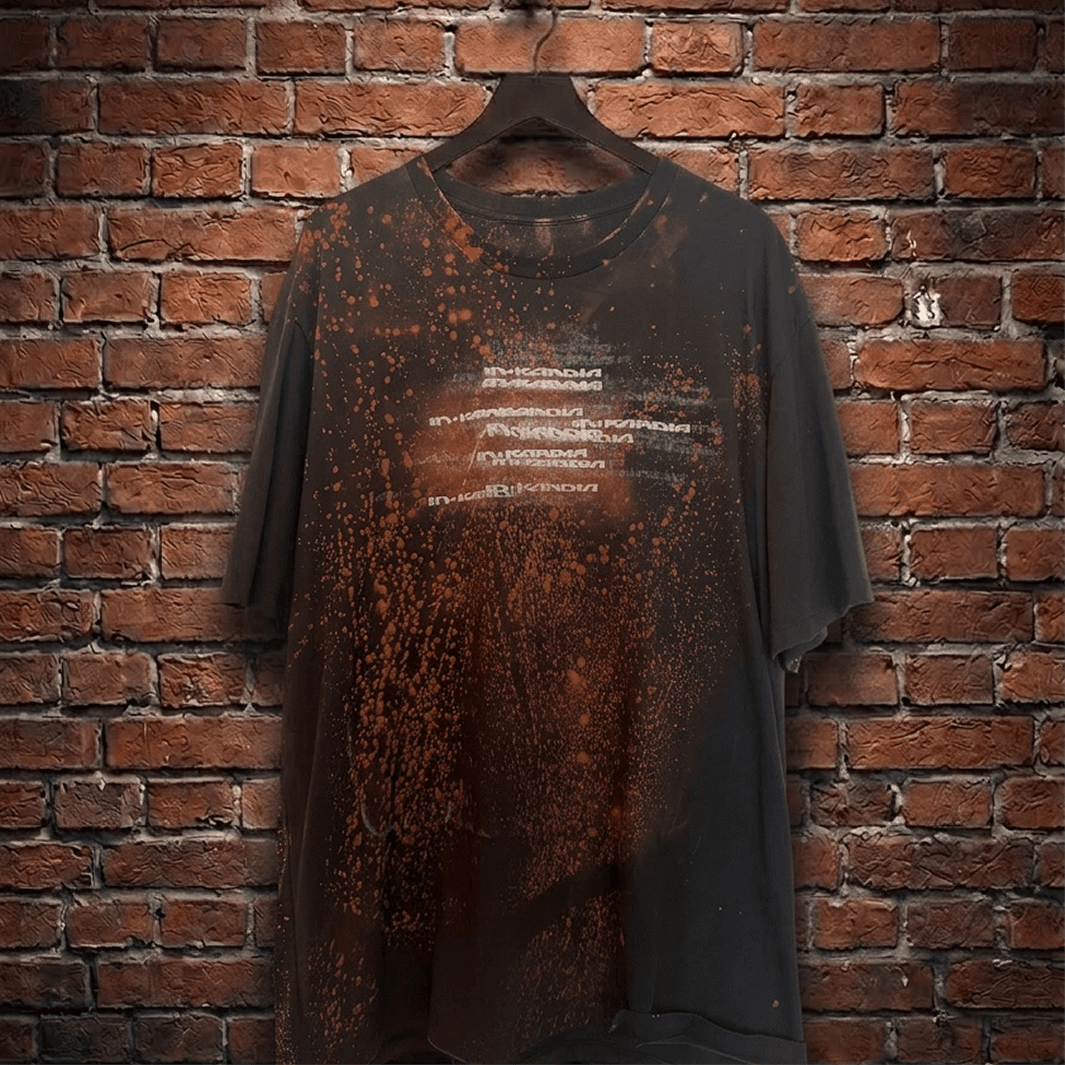
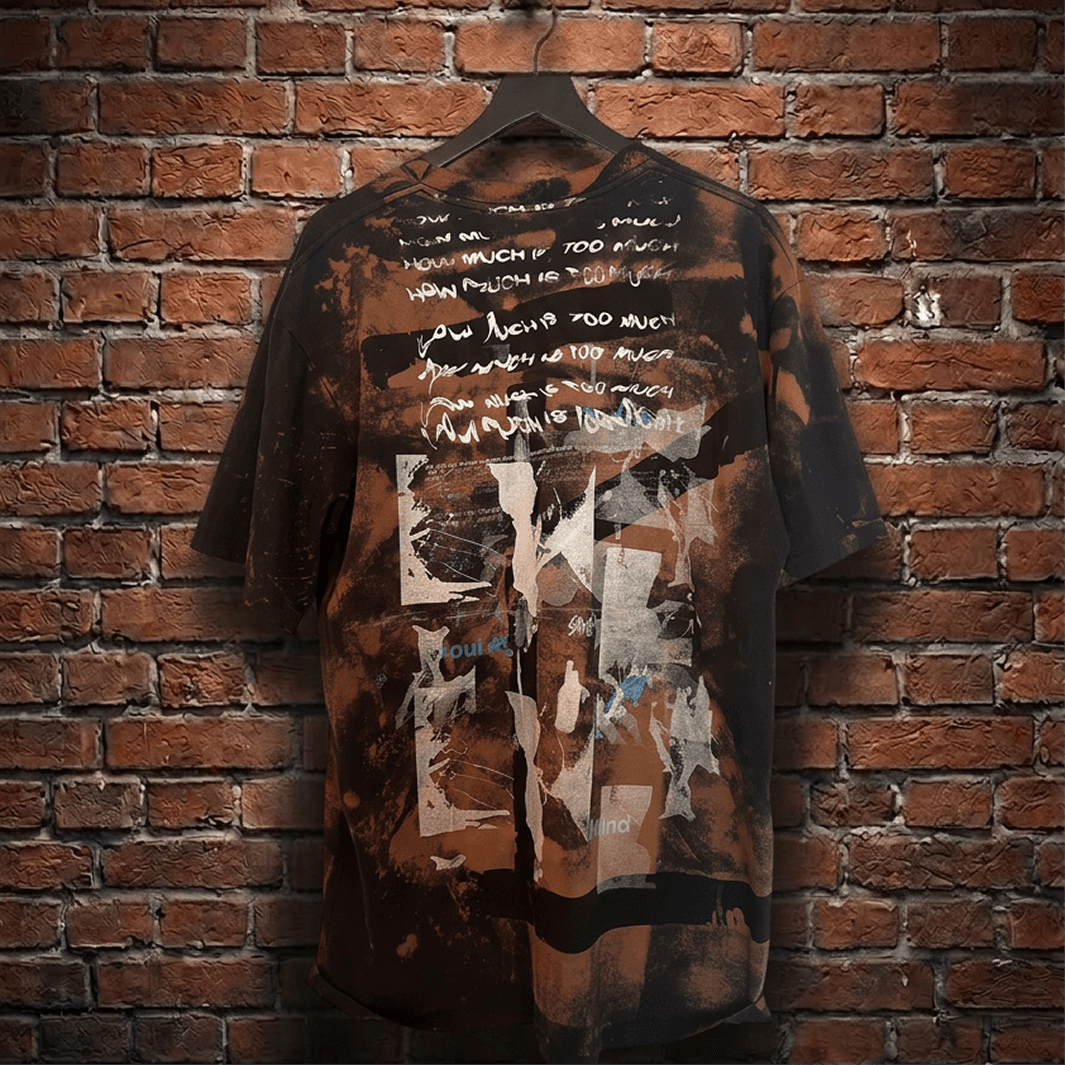
Every shirt we make is different. That's not a marketing line. It's just what happens when you let the process lead.
For the last decade, streetwear ran on hype. Limited drops, long queues, resale markups, bots buying out stock in seconds. The goal was to get the thing before everyone else did, and then watch everyone else try to get it too. Brands built entire empires on manufactured scarcity.
But something has been quietly shifting. The next wave of streetwear isn't coming from a Supreme drop or a Nike collab. It's coming from smaller, more intentional brands where limited doesn't mean "we made 500 and sold them in 30 seconds," but rather "we made one, and it exists nowhere else on earth."
That's the direction streetwear is heading. And it's a direction we've been building toward at Inkardia from the start.
The Problem with Hype Culture Streetwear
Hype era streetwear had a fatal flaw: it was still mass production wearing a limited edition costume.
Yes, a drop might sell out. Yes, the resale price might triple. But the shirt itself, the physical object, was made the same way as any other garment. Factory cut, factory sewn, factory printed, thousands of units. The scarcity was artificial. The product wasn't actually rare; the access was.
When everyone who got the shirt is wearing the identical object, you haven't escaped uniformity. You've just joined a smaller, more expensive crowd.
Gen Z and the buyers coming up behind them have figured this out. They're not impressed by resale value. They want pieces that are genuinely unrepeatable, things that couldn't exist twice even if someone tried.
What "One of One" Actually Means
The phrase gets thrown around loosely, so it's worth being specific about what genuine one of one streetwear actually is.
A real one of one isn't a numbered edition. It isn't a colorway that only came in limited quantities. It's a garment where the physical process of making it ensures that no two outcomes are the same, where the variation isn't a marketing decision but a material reality.
Bleach dyeing is one of the purest expressions of this. When you apply a bleach solution to a garment, you're setting off a chemical reaction that responds to the specific dye in that fabric, the temperature of the air, the humidity in the room, how the fabric was folded, how long the bleach sat, where it pooled, and how fast it moved. You can use the same technique on two identical blank shirts and end up with completely different results.
That's not a flaw. That's the whole point.
At Inkardia, we start every piece with a bleach dye process, spraying, scrunching, dipping, or ice bleaching depending on what we're going for, and then we screen print original graphics on top of the result. The bleach pattern underneath interacts with the print in a different way on every shirt. The same graphic sitting in the center of a bleach burst reads completely differently than the same graphic sitting at the edge of one. Every shirt tells a different story even when the design is the same.
Why Screen Printing Still Matters
Digital printing has gotten incredibly good. DTF and DTG printing can put virtually any image onto a shirt with photographic detail. So why does screen printing still exist? Why do brands still bother?
Because the result is different in ways that matter.
Screen printing lays ink on top of the fabric rather than embedding it into the fibers. The opacity is real. The hand feel is tactile. A well printed plastisol graphic has a physical presence on the shirt that you can see from across a room and feel with your fingers. It ages differently too. Screen prints crack and fade in ways that look intentional, that give a shirt character over time rather than just washing away.
More importantly, screen printing is a craft. The quality of the pull, the ink loading, the pressure, the registration — these variables mean that even two shirts from the same screen run aren't perfectly identical. When you're doing individual hand pulled prints on one of one bleach dyed pieces, you're making decisions shirt by shirt.
That level of attention is what separates a garment from a product.
The Rise of Craft Streetwear
What we're seeing emerge is a category that doesn't have a clean name yet. Call it craft streetwear, or artisan streetwear, or handmade street. It sits at the intersection of fine art, fashion, and the DIY tradition that streetwear was always supposed to represent.
The brands operating in this space share a few things in common.
They photograph each piece individually. Not a model shot that represents a style. Not a flat lay that stands in for a category. The actual specific shirt, the actual specific object you're buying. Because it matters that you know what you're getting.
They don't restock. When it's gone, it's gone, not as a hype mechanic but because the shirt genuinely can't be recreated. There's no factory to call. The bleach pattern is gone forever.
They make things by hand. Not hand assembled in a factory sense. Actually by hand, mixing solutions, pulling squeegees, watching reactions happen in real time.
They price for the work, not the hype. Craft streetwear costs more than fast fashion because it takes more time, more skill, and more material. But it doesn't cost more because someone decided to create artificial demand. The price reflects what it actually took to make the thing.
This model is growing because it offers something the hype era never could: clothing that is genuinely, permanently, verifiably yours in a way no one else's is.
Sustainability Is Part of the Story
The future of streetwear is also being shaped by how people feel about consumption. Fast fashion has become genuinely uncool in a way it wasn't five years ago. The awareness of what disposable clothing costs, environmentally, ethically, culturally, has changed how a significant portion of buyers think about what they put on their bodies.
One of one handmade streetwear fits naturally into a more considered approach to buying clothing. When you know a piece took real time and intention to make, you take care of it differently. You don't throw it in the back of a drawer. You don't replace it next season because a trend shifted. You keep it because it's actually irreplaceable.
We use heavyweight 100% cotton blanks for exactly this reason. Garments built to last, that get better with age, that can handle the bleach process without degrading and wear for years without falling apart. We're not interested in making something you wear twice.
Where Inkardia Fits
We started Inkardia because we wanted to make things that couldn't exist anywhere else. Not because the market told us to, not because it was a trend we spotted, but because we were frustrated with wearing the same thing as everyone else and wanted to build something different.
Every shirt we release is bleach dyed by hand, screen printed individually, photographed on its own, and listed as a single unit. When it sells, that configuration of design and dye pattern is retired. We don't recreate. We don't restock. We move forward.
The future of streetwear is one of one. We've been building it piece by piece.
What to Look for in One of One Streetwear
If you're looking to move away from mass production and into pieces that actually mean something, here's what to look for.
A real process. The brand should be able to tell you exactly how the garment was made, what techniques were used, and why no two are the same. Vague language about being "handcrafted" without specifics is a red flag.
Individual photography. Every listing should show the actual piece you're buying, not a representative sample. If all the shirts in a "one of one" collection look identical in photos, they probably are.
No restock policy. Genuine one of ones can't be restocked. If a brand constantly restocks its "limited" pieces, the scarcity is manufactured.
Quality base materials. The handmade process only matters if the foundation is worth building on. Look for heavy cotton, quality construction, and blanks that are built to last.
A brand that can talk about their work. The best makers love explaining what they do and why. The process is part of the product. If a brand goes quiet when you ask how something is made, that's telling.
The era of wearing the same shirt as ten thousand other people is ending. What's replacing it is slower, more intentional, more expensive, and infinitely more interesting.
Welcome to the future of streetwear. There's only one of each.
Browse the current Inkardia drop. Every piece is photographed individually and ships as the specific item you see listed. Once it's gone, it's gone.